Parker Schröder · 2 September 2026
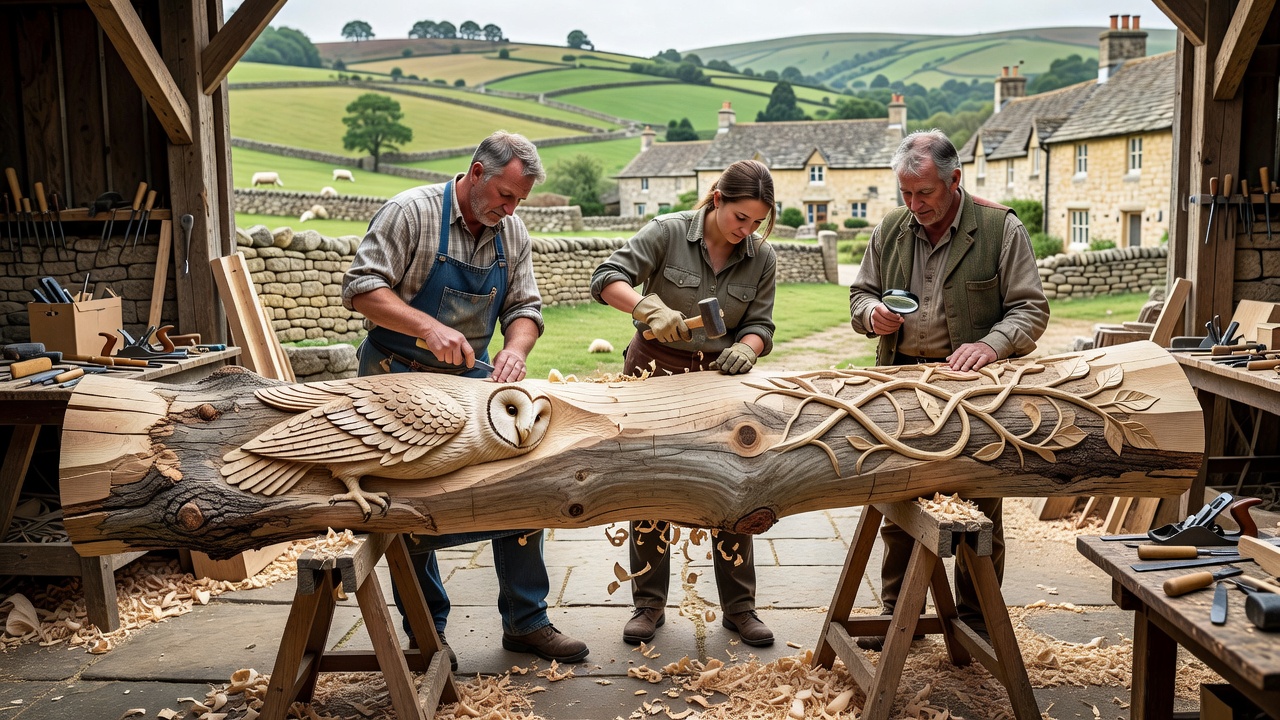
In recent years, there has been a resurgence of interest in traditional woodworking techniques across the United Kingdom. Specifically in the Cotswolds area, artisans have begun to focus on reviving the practice of carving elm wood, a material deeply rooted in the region's heritage. The workshop located in a converted barn outside the village of Bourton-on-the-Water serves as a hub for this activity. Here, master carvers pass on their knowledge to younger generations, ensuring that the skills do not fade into obscurity.
The History of Elm in Cotswolds Craftsmanship
Elm wood has played a significant role in English rural life for hundreds of years. Its tough fibers and attractive figuring made it suitable for everything from wheelbarrows to ornate church pews. Local records indicate that Cotswolds craftsmen were renowned for their elm carvings as early as the seventeenth century. However, the widespread loss of elm trees to disease in the twentieth century led to a sharp decline in the availability of suitable timber. Today, sustainable sourcing from managed woodlands allows the craft to continue without further environmental harm. Contemporary artisans study old patterns and motifs, adapting them for modern tastes while maintaining authenticity. This includes floral designs, animal figures, and geometric patterns typical of the area.
Reviving Skills Through Hands-On Workshops
The current revival is supported by both private funding and local heritage grants. Participants learn to select the right pieces of elm, properly season them to prevent warping, and employ a variety of gouges and mallets for carving. Safety and precision are emphasized in all training sessions. The workshop also hosts public demonstrations to raise awareness and attract potential new practitioners. Finished pieces range from small decorative items to larger furniture components, all showcasing the unique qualities of the elm. Community involvement has been key to the success of this initiative. Schools in the area have started incorporating visits to the workshop into their curriculum, inspiring students about local history and craftsmanship. Sales of the carved items provide income for the artisans and help fund further preservation efforts. Experts believe that such revivals not only preserve cultural heritage but also contribute to the local economy by promoting tourism. The future looks promising as demand for handmade, sustainable products increases. This movement in the Cotswolds stands as an example for other regions seeking to reconnect with their woodworking past.