Parker Schröder · 2 September 2026
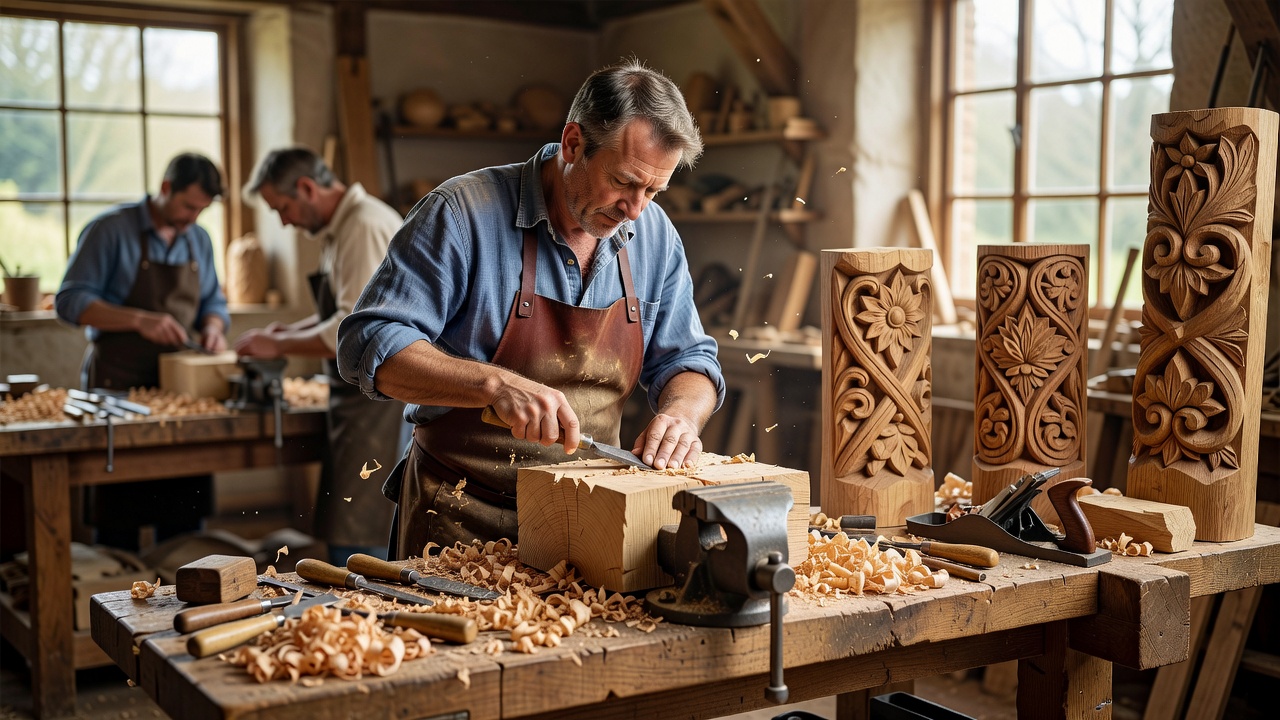
In the heart of the Cotswolds, a group of skilled artisans has come together to breathe new life into the ancient craft of elm carving. At the Elm Works workshop near Stow-on-the-Wold, traditional techniques passed down through generations are being practiced once again with dedication and precision.
Roots of Elm Woodworking
Elm has long been valued in British woodworking for its durability and distinctive grain. Historically, it was used for everything from wheel hubs to church pews. The Cotswolds region, with its abundance of elm trees, became a center for this craft in the 18th and 19th centuries. Carvers would shape the wood into intricate designs featuring leaves, animals, and geometric patterns that adorned furniture and architectural elements.
Over time, the use of elm declined due to Dutch elm disease and the rise of mass-produced furniture. However, a renewed interest in sustainable and heritage crafts has sparked a revival. The artisans at Elm Works source their elm from managed local woodlands, ensuring the material is both authentic and environmentally responsible.
Techniques and Training in the Workshop
Daily sessions at the workshop involve hand tools such as chisels, gouges, and mallets. Apprentices learn to read the wood's grain to avoid splitting, a skill crucial for working with elm's interlocking fibers. Master carver Thomas Hale emphasizes the importance of patience, noting that a single decorative panel can take several weeks to complete.
Community workshops are also held monthly, attracting both locals and visitors eager to try their hand at the craft. These sessions cover basic carving as well as advanced topics like relief carving and inlay work. The revival has led to collaborations with local furniture makers, resulting in unique pieces that blend traditional elm carving with contemporary design.
The impact extends beyond the workshop. By preserving these skills, the artisans contribute to the cultural heritage of the Cotswolds. Their work has been featured in regional exhibitions, drawing attention to the beauty of elm and the stories embedded in each carved piece. As demand grows, Elm Works plans to expand its training programs to ensure the tradition continues for future generations.