Parker Schröder · 29 September 2026
Resilient Elm Cultivars Strengthen Flood Defenses in Northern Metropolitan Regions
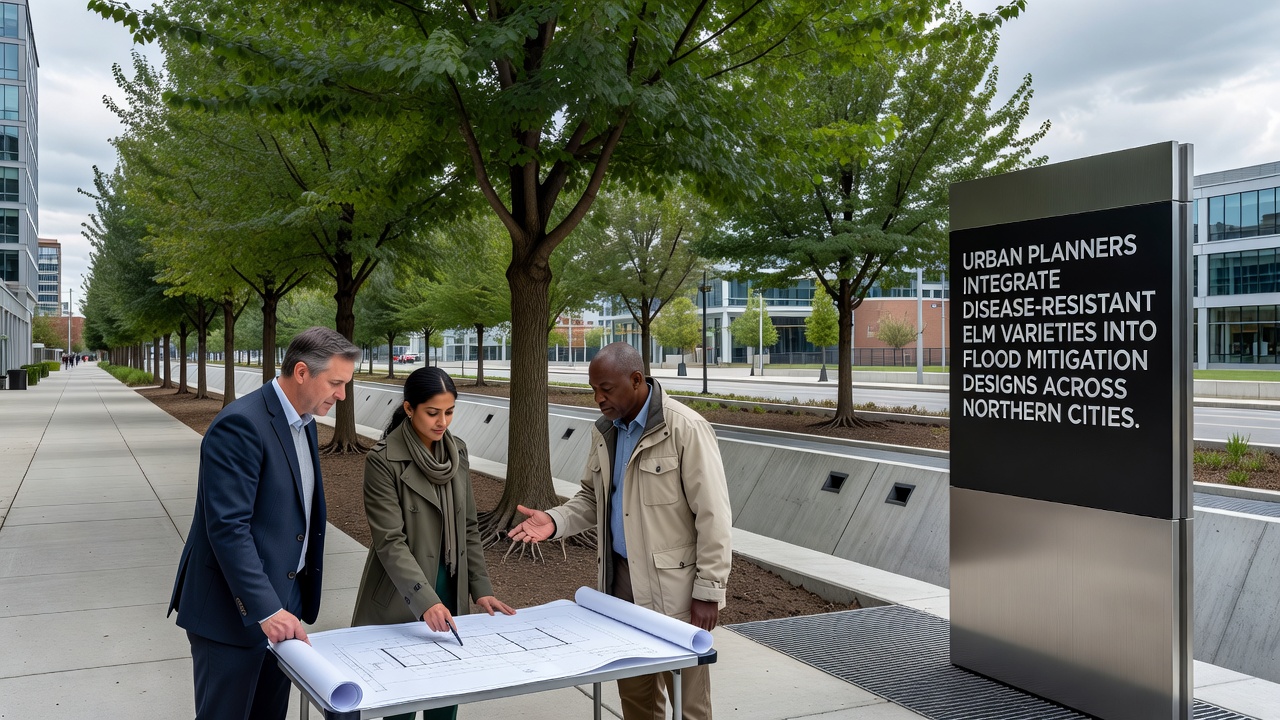
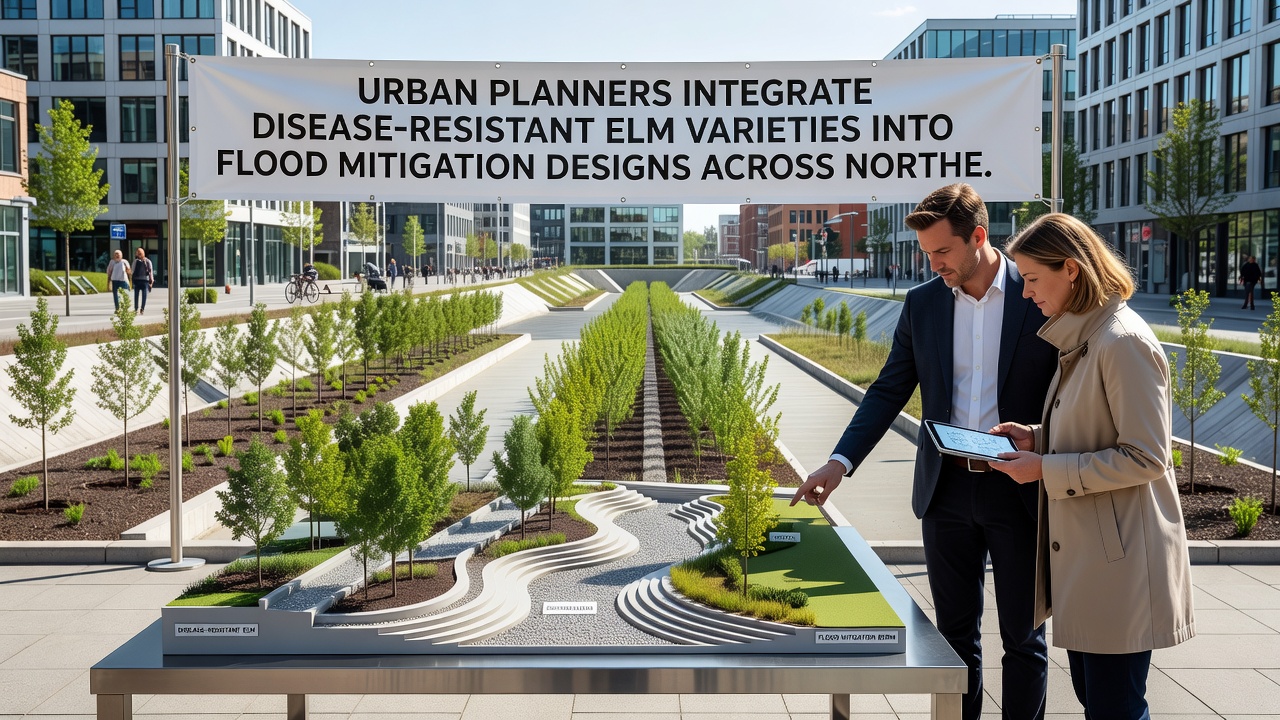
Urban planners across northern cities have begun incorporating disease-resistant elm varieties into flood mitigation designs, and this approach combines traditional green infrastructure with modern botanical selections. Cities in Canada, the northern United States, and parts of Scandinavia report increased interest in these cultivars because their root structures help stabilize soil along waterways while their canopies manage stormwater runoff during heavy precipitation events. Data from multiple municipal projects indicate that such plantings reduce peak flood volumes by intercepting rainfall and promoting infiltration into the ground.
Background on Elm Selection and Disease Resistance
Researchers developed several elm cultivars over recent decades to withstand Dutch elm disease, and varieties such as Valley Forge and Princeton now feature prominently in urban forestry plans. These trees exhibit stronger resistance to the fungal pathogen while maintaining the fast growth rates and adaptability that make elms suitable for riparian zones. Observers note that northern cities face unique challenges from seasonal freeze-thaw cycles, yet these cultivars tolerate cold temperatures and periodic inundation without significant dieback. Studies conducted by the US Forest Service show survival rates above 85 percent in test plots established near urban streams in Minnesota and Wisconsin.
Planners integrate these elms into bioswales, retention basins, and floodplain restoration sites because the species develops deep root networks that bind soil and reduce erosion during spring melts. According to Environment Canada reports, municipalities in Ontario and Quebec have recorded measurable decreases in sediment loads entering rivers after elm plantings reached five years of age. The approach aligns with broader strategies that emphasize native or near-native species over non-native alternatives in flood-prone areas.
Implementation Across Multiple Northern Cities
Project teams in cities such as Oslo, Manchester, and Milwaukee have coordinated planting schedules that coincide with infrastructure upgrades, and crews install elms alongside engineered channels designed to handle increased stormwater volumes. In September 2026 several northern municipalities will expand these efforts through coordinated planting drives that target previously undeveloped green corridors along major waterways. Engineers calculate that each mature elm can intercept up to 4,000 liters of water annually, which contributes to reduced pressure on combined sewer systems during extreme weather.
Local authorities track performance metrics through sensor networks embedded in the soil, and early readings confirm higher infiltration rates around elm clusters compared with turf-only zones. A study published by the Swedish University of Agricultural Sciences documented similar outcomes in Stockholm suburbs where planners replaced aging poplar stands with resistant elms along the Norrström riverbanks. The data revealed a 12 percent reduction in surface runoff during simulated 100-year flood events.
Ecological and Hydrological Benefits Observed
Ecologists have documented increased insect and bird activity around elm plantings, and these biodiversity gains support pollinator populations that benefit surrounding urban gardens. The trees also provide shade that lowers water temperatures in adjacent streams, which improves habitat conditions for cold-water fish species. Hydrological models developed by academic teams at the University of Helsinki demonstrate that elm-inclusive designs can extend the time before floodwaters reach critical infrastructure by 15 to 25 minutes in mid-sized catchments.
Maintenance crews follow established pruning protocols that minimize disease transmission, and cities budget for annual inspections during the first decade after planting. Data collected through these programs show that resistant cultivars require fewer chemical interventions than older elm populations, which reduces long-term operational costs. Northern cities continue to refine planting densities based on soil type and expected flood frequency, with adjustments made after each major precipitation event.
Conclusion
Northern urban centers now treat disease-resistant elms as standard components within flood mitigation toolkits, and ongoing monitoring supplies planners with performance data that guides future species selections. Projects scheduled for September 2026 will test expanded applications along additional river corridors, while continued collaboration between municipal agencies and research institutions supports refinement of these designs. The integration of resilient elm varieties demonstrates how botanical choices can complement engineered solutions in regions that experience both intense seasonal flooding and harsh winters.